
Photography That Sells a Destination, Not Just Decorates It
New 2026 data shows AI-looking photos cost you bookings. Here's what destination photography actually needs to get right to convert.
Most hotel and attraction websites treat photography as decoration: nice to have, slotted in after the copy and the booking engine are built. New data from 2026 says that's backwards. Photography that sells a destination isn't the finishing touch. For a growing share of travellers, it's the first and sometimes only thing that decides whether they click through at all.
A 2026 study by Talker Research, commissioned by the Tennessee Department of Tourist Development, surveyed 2,000 travellers and found that 70% rely on photos and videos when choosing a destination — and 74% wouldn't book a trip without seeing photos first.
Here's the uncomfortable part. The same study showed most people can't actually tell real photography from AI-generated imagery: shown real and AI destination photos side by side, only 5% of travellers correctly identified the authentic images. Tennessee's tourism board took it seriously enough to launch an industry-first "Real Seal" — a public pledge and photo certification confirming its marketing images are real places, really photographed. When a state tourism board feels it has to certify its photos are real, the trust problem is no longer theoretical.
Travellers have stopped trusting travel photography — and it's costing bookings
A separate 2026 study by Bókun, a Tripadvisor company, surveyed 2,000 adults across the UK and Italy and found the backlash against synthetic imagery is already shaping booking behaviour. 72% said photos that look AI-generated make them less likely to book a tour or experience. 47% named AI imagery as their single biggest put-off when browsing online.
The trust effect cuts both ways. 73% of respondents said a listing with photos feels more trustworthy than one without. 67% said poor-quality photos would make them question whether the business was even legitimate. Photography isn't just persuasive anymore. It's doing the job a credibility check used to do.
This matters for every hotel, attraction and park on the Island and the South Coast competing for a booking against dozens of other options a visitor is scrolling past in the same ten minutes. If your photography looks generic, outdated or suspiciously polished, you're not just failing to stand out. You're actively triggering the scepticism travellers now bring to every image they see.
Five photo mistakes quietly costing you bookings
The Bókun research is specific about what drives people away:
What actually makes people book
The same research asked travellers which types of photo most encouraged them to book. The pattern is clear and, usefully, it's a shot list:
Show the place. Show the experience. Show people loving it. That order isn't arbitrary — it's what the data says moves someone from browsing to booking. And on volume: a third of travellers say 4–6 photos is the sweet spot for a listing, with another third wanting 7–10. Only 5% are satisfied by one to three. Thin galleries read as having something to hide.
Why "good enough" stock-style photography is now a liability
There's a reflex in hospitality and attraction marketing to fill gaps with stock imagery or AI-generated visuals when a proper shoot hasn't happened recently. The 2026 data says that instinct is now actively working against you, not neutrally filling space — because the audience is applying an authenticity filter before they'll trust anything else you say.
This is exactly the gap behind one of the two problems we flagged in our destination marketing strategy piece: the visuals undersell the place. A beautiful hotel, a genuinely good day out, a real experience — photographed years ago, thinly, or patched with imagery that doesn't quite match what's actually there. The fix isn't more photos. It's the right photos, shot properly, shot recently, and shot by someone who understands what a booking decision actually hinges on.
A practical shot list for your next refresh
Where Media House fits
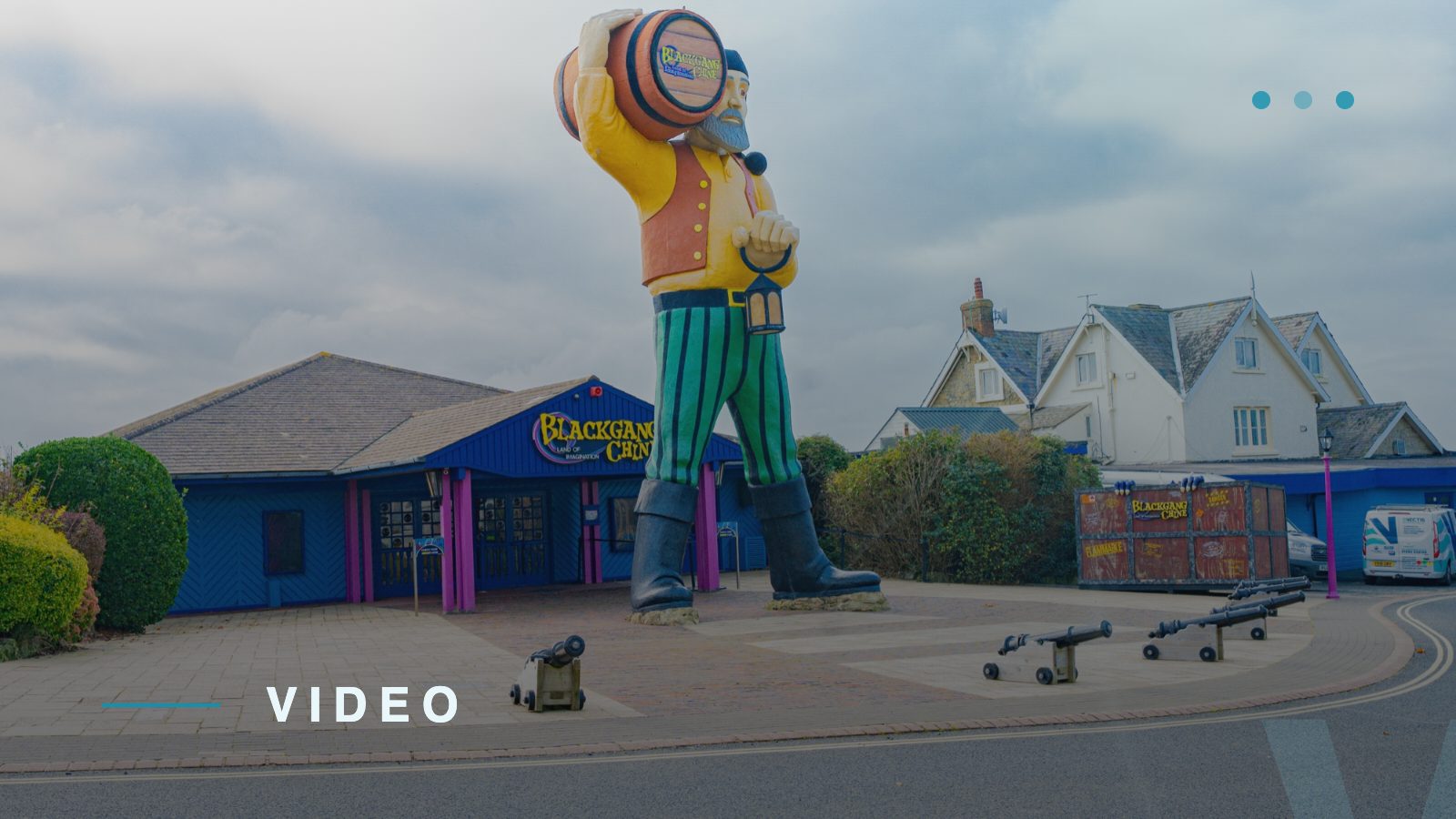
We shoot film and photography for destination and visitor-economy brands across the Isle of Wight and South Coast, and the founder is on every shoot — not handed off to a junior. For Luccombe Hotels, photography sits inside an ongoing retainer alongside the email programme and booking-source reporting, so it's never a one-off gallery refresh that goes stale in a year. The same approach runs through our multi-year work with Blackgang Chine and the Isle of Wight Donkey Sanctuary — and through why our clients' video spend still pays while the sector's falls.
If your photography is doing more harm than good right now, that's a fixable problem — and usually a faster one to solve than people expect. Get in touch and we'll tell you plainly what your current imagery is costing you.
Ready to put this into practice?
At Media House we turn strategy like this into measurable growth. Let’s talk about how it applies to your brand.
Get in touch